Workforce Management – Where to Start
Where do you start when building the business case for Workforce Management? Often, the first challenge is simply understanding the workforce you already have. A practical place to start is…

There’s a photo on my phone that always makes me smile.
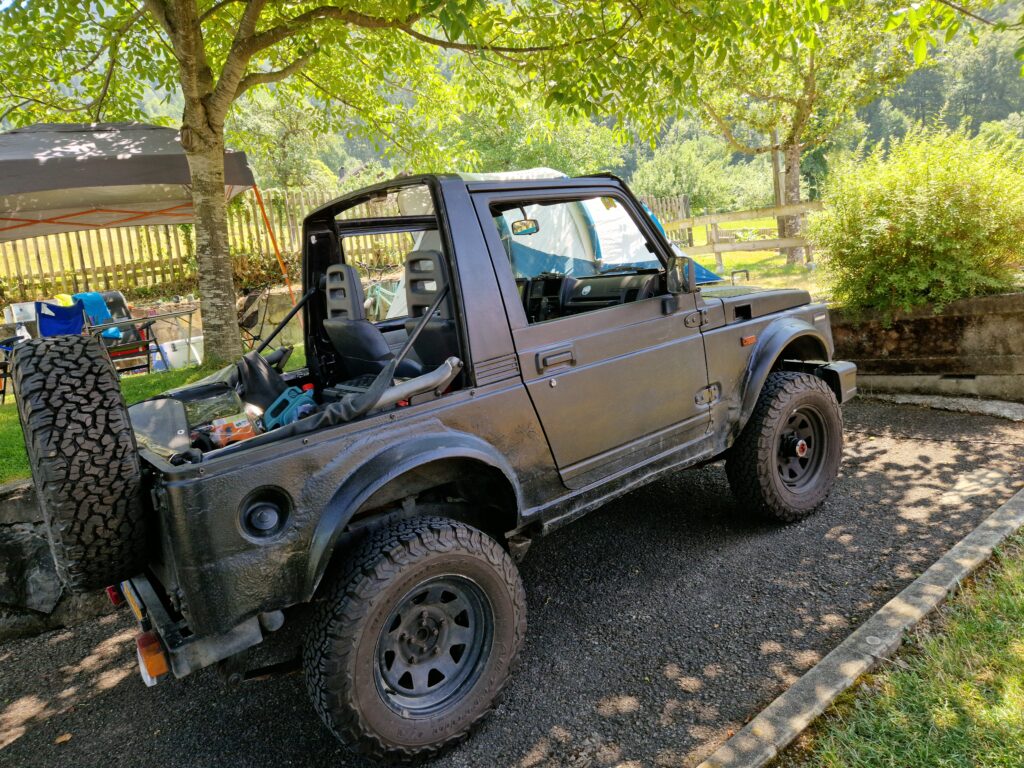
It’s my Suzuki Samurai: sun-bleached paint, rust around the arches, loud 1.3 litre petrol engine, a rattle that never quite goes away, and a long list of “technical imperfections” the inspector was more than happy to point out.
She’s currently off the road because “the man” says she has too much rust. Fair enough. She is rusty. She’s noisy, slow, and requires more maintenance than any modern car would reasonably tolerate.
And yet, despite all of that… she’s dependable. She’ll get up any track, climb any hill, and push through terrain that would make shinier cars think twice. I can fix almost anything myself. No fancy electronics. No unfixable surprises. Just a stubborn old machine that still gets the job done.
And strangely, this Suzuki has become one of the best metaphors I’ve found for how organisations run their workforce solutions today.
Modern organisations love to believe they’re running something sleek. A Land Rover Defender, fully specked, beautifully engineered, connected, automated, integrated, AI-enabled. The kind of vehicle you’d proudly show off.
The pitch decks look shiny. The vendor presentations sound convincing. The transformation projects promise clean dashboards, straight-through processes, and perfect visibility.
But what’s on the ground, day-to-day can be a very different story…
Strip the marketing gloss away, and most organisations are running something that looks a lot more like my Samurai:
This isn’t a criticism. It’s an honest reality of how large, complex organisations work.
The workforce ecosystem: permanent employees, contractors, freelancers, consultants, services procurement / SoWs, outsourced, alumni, offshore teams, gig talent, and now AI-driven work has grown faster than the systems designed to manage it.
Rust is interesting. It starts small. Barely noticeable. Easy to ignore.
Most leaders don’t worry about their workforce complexity because, on paper, everything “works”:
But rust builds quietly. And eventually, like my Samurai, the inspector taps the underside and says: “This won’t pass anymore.”
In workforce strategy, that usually shows up as:
It’s not that the system is failing. It’s that it’s now operating beyond its intended limits.
A rusty system can be maintained. A rusty system can be strengthened. But a rusty system ignored becomes a risk.
The danger isn’t the rust. It’s pretending the rust isn’t there.
The vehicles you choose must match the terrain you’re on:
This is exactly why we built the Workforce Tiger reflections and assessments.
Not to show you what’s broken. But to help you see:
REPAIR: Perfect when you have workable systems, manageable risk, and knowledgeable teams.
UPGRADE: Ideal when parts of the system work but complexity is increasing.
REBUILD: Necessary when risk is high, visibility low, and fragmentation severe.
THE REAL MESSAGE
Your workforce doesn’t need to be shiny to be effective. It doesn’t need the latest tech to be strategic. It doesn’t need to look like anyone else’s solution.
What matters is that it:
Some organisations need a Defender. Some need a Samurai. Most need something in between.
Rust isn’t a sign of failure. It’s a sign of time, use, pressure, growth, and adaptation.
If you want clarity on your terrain, the state of your workforce “vehicle,” and a realistic plan for the road ahead… We’d love to help.