Workforce Management – Where to Start
Where do you start when building the business case for Workforce Management? Often, the first challenge is simply understanding the workforce you already have. A practical place to start is…

When it comes to workforce allocation & planning, do you have visibility of your entire workforce and what they are doing? There are so many different systems and solutions in place to manage the differing workforce, but are you looking at your workforce holistically when planning the future? Is talent capability and availability included within the planning process?
From the suite of workforce management tools in play, there can be a gap when it comes to having full visibility of an organisation’s talent and their capabilities. You may disagree with me, but I feel (in large organisations), I have had better visibility of the external talent and availability than I do with internal talent. For internal you can see the headcount and the quantity but at a planning level, you may not have an idea of what value an individual is delivering to an organisation outside of normal department budgeting and targets. You may have a view of performance development however you may not understand what they are being compared against and by whom. Also, at a management level you may not have a view of the projects an individual internal person has done and if they could be moved to work on other projects outside of their specific department for the further benefit of your organisation.
Some smart tech companies have seen the gap and have started investing in the creation of Talent management platforms. Dependent on the size of your organisation, these platforms can either be an end to end solution (for smaller organisations) or supplementary to the acquisition and management solutions you may currently have. One company that is creating such a platform is Elevate Direct. I have asked Dan from Elevate to share some insights into what they are developing.
1. Tell us about what Elevate is trying to do?
“Our world view is simple. There are people that work for you and there are people that don’t. We’re trying to connect all the talent that’s available to an organisation, primarily bringing the existing skills graph we’ve developed for non-employed staff and applying the same logic to staff inside of an organisation.”
2. How is Elevate’s solution going to help an organisation manage their entire Workforce?
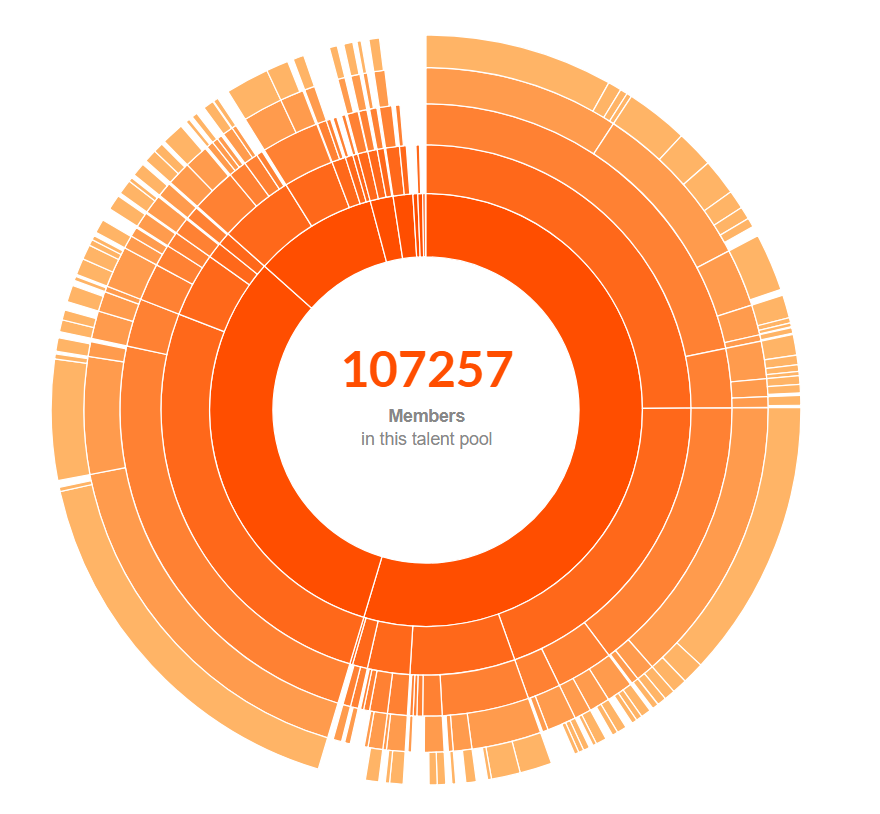
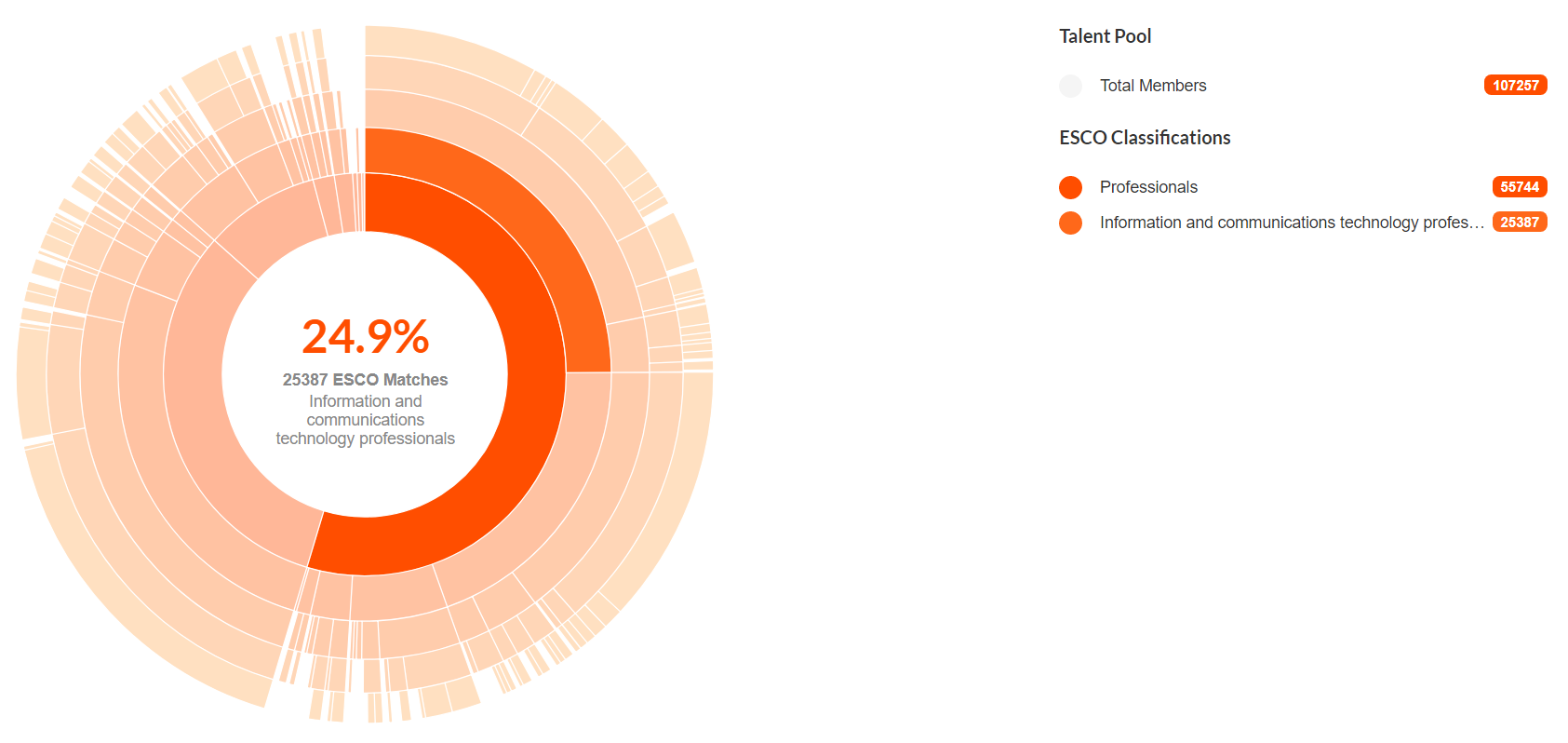
“By firstly creating a private Talent Pool of the organisations existing staff (people that work for them). The employer straight away gets a view with detailed breakdowns of what people do, job functions, skills, locations, costs etc. Straight away this can show any obvious gaps and where an organisation may need to start hiring. More importantly it allows a firm to uncover historical skills among its existing staff (staff they may have already paid to acquire without the need to go out to market). By combining this with an external Talent Pool, the organisation should have a view of a lot of the potential resources available to them.
Elevate has integrations with most of the major job boards to draw in further active job seekers so you should be able to see the widest possible spectrum of resources available, augmented by human recruiters who could focus more on the higher value “search” led hiring. The system automates all the laborious heavy lifting typically involved in sourcing talent.”
3. How mature is your solution?
“We started building the original external talent platform in 2010 and have heavily invested in building data science driven products for the past 5 years. We’ve solved a lot of the complex data driven problems over that time while focussing on flexible workforce and now we are applying what we have learnt and extending the scope to include permanent resourcing.
Elevate is now discussing the extension to include permanent talent pools with our incumbent customers base”
4. Do you think there will ever be one solution that could manage all workforce?
“I think there actually could be one system, eventually. For certain, any decision tree approach into Skills within a Talent Pool needs to be made in one system. In terms of where hiring managers need to do work, we’d suggest it needs to be inside the Talent Pool which will then feed the data into a Vendor Management System (VMS) or Human Resource Information System (HRIS), dependent on the type of hire being made.”
5. Elevate started as a Freelancer Management System (FMS). Why the change in approach?
“Well, technically the term FMS didn’t exist when we started, and we’ve never liked that term, no disrespect to our friends over at Staffing Industry Analyst (SIA)! All products evolve over time and what started as a sourcing platform has developed gradually and incrementally. We’ve now evolved into a Talent Pool platform and as we move into permanent Workforce management, we’ll encompass everything from Source to Pay, including worker compliance, and payments, and the key underlying data driven product that spans the whole piece is the data analytics (the ability for an organisation to interrogate and analyse all people available to them is the end goal).”
6. How do you see your solution helping customers?
“The intent of the platform is to allow a customer to have as much data to hand ensuring they make the correct hiring decisions. I think what’s been missed is companies typically tend to segment Permanent Resourcing and Contingent hiring. Why are these separate, why is there an Applicant Tracking System (ATS) for permanent, and a VMS for a contractor? My thoughts are there needs to be one pool of people that could do work for an organisation. The right person for the job may be a contractor today, but they may well take a permanent job tomorrow!”
7. With the new GDPR rules, where do you see the risk for an organisation not having central visibility of the workforce?
“When organisations are storing personal information on people, they need to stay ahead of the legislation. A Talent Pool for example, should allow potential workers to not only create their own profile, but delete themselves in line with GDPR. Most ATS’s or VMS’s don’t allow this which can open an organisation to risk if not managed correctly.”
8. What are the main challenges that you see when implementing?
“Organisations really need to understand what workers they currently have and what they are doing. Well written job descriptions are key to ensure it’s clear what a job entails. To ensure you can find and retain the right resources you need to be paying fair market rate. The key to success though is to ensure you have an effective team (internal or external) that will be able to run the system and these people are generally professional recruiters, they aren’t administrators. The system doesn’t replace human recruiters. It augments them, allowing them to do more.
Also, there’s a misconception that by acquiring a Talent Pool platform that should somehow be viewed as a competitive channel to any incumbent Managed Service Provider (MSP) or a vendor supply chain. This is a big mistake! A Talent Pool is supplementary to complement whatever resourcing models an organisation has in play today.”
9. Where do you think the future is heading in relation to Total Workforce Management (TWM) technology tools?
“As firms start to invest in TWM tools, and understand the power of the platform approach, the data analytics and improvement in decision making that comes from having that visibility will make organisations a lot leaner, increase staff retention significantly, allow HR to forward plan, project plan for gaps in resource and using predictive analytics to offer real insight into where your next hires are going to be needed e.g. Video interviewing and audio/text semantic analysis to offer insights into who to hire and how to optimise processes. The “learned” data that comes from tracking source to pay outcomes is crucial. We’re aiming to get to the point where a Manager can simply select a previous hire and instead of creating a job description. Just specify “I need another Scott, or Sheila”! That’s what happens in the non-digital world and the tech is there to enable that type of transaction now.”
For me this has been an interesting conversation. Talent should be always at the start of every acquisition conversation be it internal or external. Visibility is required to understand what talent you have and where you are lacking. This helps with the strategic planning conversation that is required to ensure a business is set up for success or prepared for failure.
“If you define the problem correctly, you almost have the solution” (Steve Jobs)